


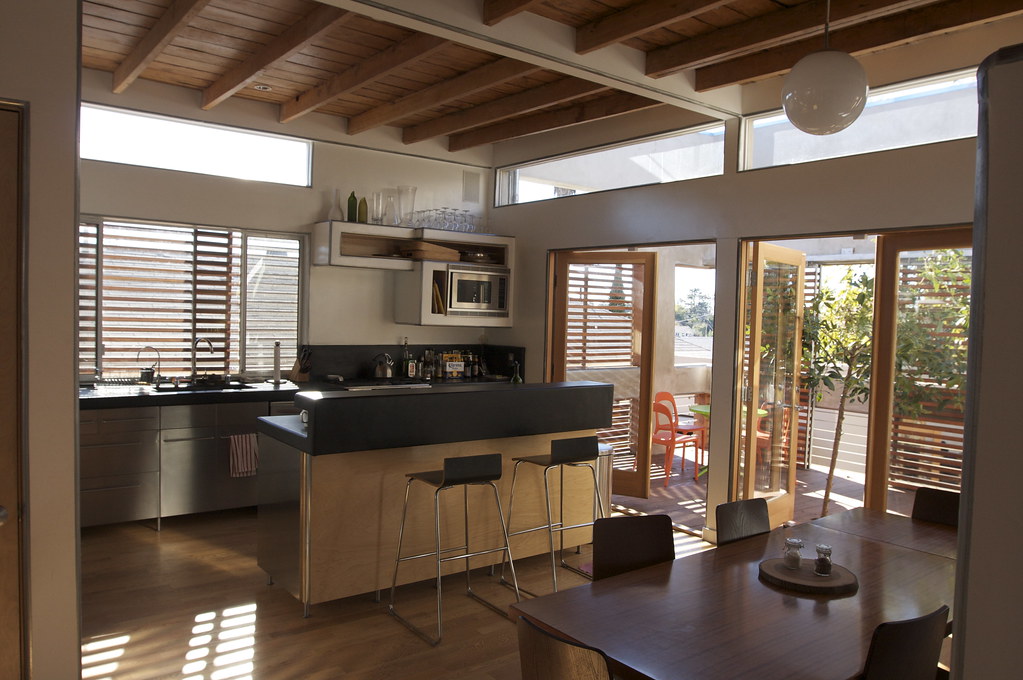
ARVIGG BUILDS organizes its service structure around the scopes that most often drive residential and light commercial improvement work across the Greater Boston Metro Area.
Instead of forcing homeowners to sort through generic construction language, ARVIGG BUILDS groups the core service lines that most often connect inside the same project: remodeling, cabinets, countertops, painting, and room-based updates.
Common project scopes
- Remodeling strategy and project scoping
- Kitchen and bathroom updates
- Cabinet and countertop coordination
- Interior and exterior painting support
- Deck building and outdoor living improvements
- Room additions and broader finish improvement work
What clients usually want to improve
Most people searching for this service are trying to solve more than one issue at the same time. They may want a better layout, cleaner finishes, materials that hold up better over time, or a finished result that feels more cohesive than the room or property does now.
That is why ARVIGG BUILDS approaches the work with contractor-level planning rather than treating the project like one isolated product decision. The goal is to make sure the finished space feels better to use, easier to maintain, and more consistent from one part of the project to the next.
How ARVIGG BUILDS approaches this work
Many projects start with one clear need but expand once layout, finish quality, storage, or sequencing are reviewed. ARVIGG BUILDS helps clients sort through that service mix without losing the contractor-led context behind the work.
Projects like this usually move more smoothly when the scope is defined early, the finish selections are aligned before execution, and the work is organized around how the space should function after completion. That is where contractor-led planning adds value long before the final punch list.
What to expect from the planning process
The early conversation usually focuses on the property, the room or rooms involved, the improvement goals, and the service combination that best supports the final outcome. Some projects stay tightly focused on one service. Others expand once layout, material choices, cabinet flow, countertop surfaces, paint finish, or sequencing concerns are reviewed in context.
That planning stage matters because it creates a clearer path into the actual work. It helps avoid mismatched finish decisions, unrealistic expectations, and service overlap that can make a project feel disjointed instead of coordinated.
Why homeowners request this service
This service mix is a strong fit for homeowners, investors, and property managers who know they need improvement work but still need help clarifying which combination best fits the property.
In many cases, the service starts as one clear improvement need and then expands into related decisions around layout, finish continuity, durability, and the right sequencing between trades. ARVIGG BUILDS helps keep those decisions connected so the final result feels intentional rather than pieced together.
Why this matters for long-term value
Well-planned improvement work tends to hold its value better because it is built around the way the property actually functions. Better scope clarity, cleaner finish coordination, and stronger execution all support a result that looks right on completion day and still feels right after the project has been lived in for a while.
Areas we commonly serve
Questions clients ask before getting started
Can this service be combined with other improvements?
Yes. Many projects combine this scope with cabinets, countertops, painting, layout changes, or other finish-driven work. ARVIGG BUILDS helps identify the right service mix before execution begins.
Do I need to have every detail figured out before requesting an estimate?
No. A strong estimate request can start with the room, the service need, and the main goals for the project. The purpose of the early conversation is to help define the scope more clearly.
What makes this different from hiring one narrow trade only?
This service is framed around the broader project context, which means decisions about sequencing, finish alignment, and how the work connects to the rest of the property are part of the conversation from the start.
How early should I start planning this kind of project?
The best time to start is before materials are chosen or partial decisions have locked the project into a narrow direction. Early planning gives more room to shape the scope, the finish package, and the service mix around the property.